
Shunt Surgery
What is Shunt Surgery?
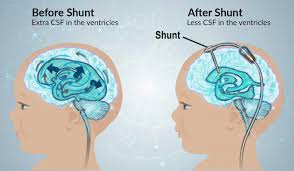
Shunt surgery is a medical procedure performed to relieve pressure caused by excess fluid accumulation inside the body. It is most commonly used to treat hydrocephalus, a condition in which cerebrospinal fluid (CSF) builds up in the brain. A shunt system helps divert the excess fluid to another part of the body where it can be absorbed safely.
Why would someone need Shunt Surgery?
Shunt surgery is recommended when excess fluid causes increased pressure that can damage organs or tissues. In the brain, untreated hydrocephalus can lead to headaches, vomiting, vision problems, difficulty walking, memory issues, or even life-threatening complications. Shunt placement helps reduce pressure and prevent further damage.
What conditions can Shunt Surgery treat?
Shunt surgery is commonly used to treat:
- Hydrocephalus (in infants, children, or adults).
- Normal Pressure Hydrocephalus (NPH).
- Brain tumors causing fluid blockage.
- Infections or bleeding in the brain leading to fluid buildup.
Types of Shunt Procedures
There are different types of shunt surgeries depending on the condition and patient needs:
- Ventriculoperitoneal (VP) Shunt: The most common type, drains fluid from the brain to the abdomen.
- Ventriculoatrial (VA) Shunt: Drains fluid into the heart.
- Lumboperitoneal (LP) Shunt: Drains fluid from the lower spine to the abdomen.
How does the procedure work?
During shunt surgery, a thin tube (shunt) with a valve is placed inside the body. The valve controls the flow of fluid and ensures it drains at the correct rate. The procedure is usually performed under general anesthesia. Most patients require monitoring and follow-up visits to ensure the shunt is functioning properly.
Recovery and Follow-Up
Recovery time varies depending on the patient’s condition. Regular follow-up is important to monitor shunt function and detect any complications such as blockage or infection. With proper care, shunt surgery can significantly improve quality of life and reduce symptoms effectively.
copyright © 2024, All rights reserved | Dr. Anand Nagar