
Pancreatitis
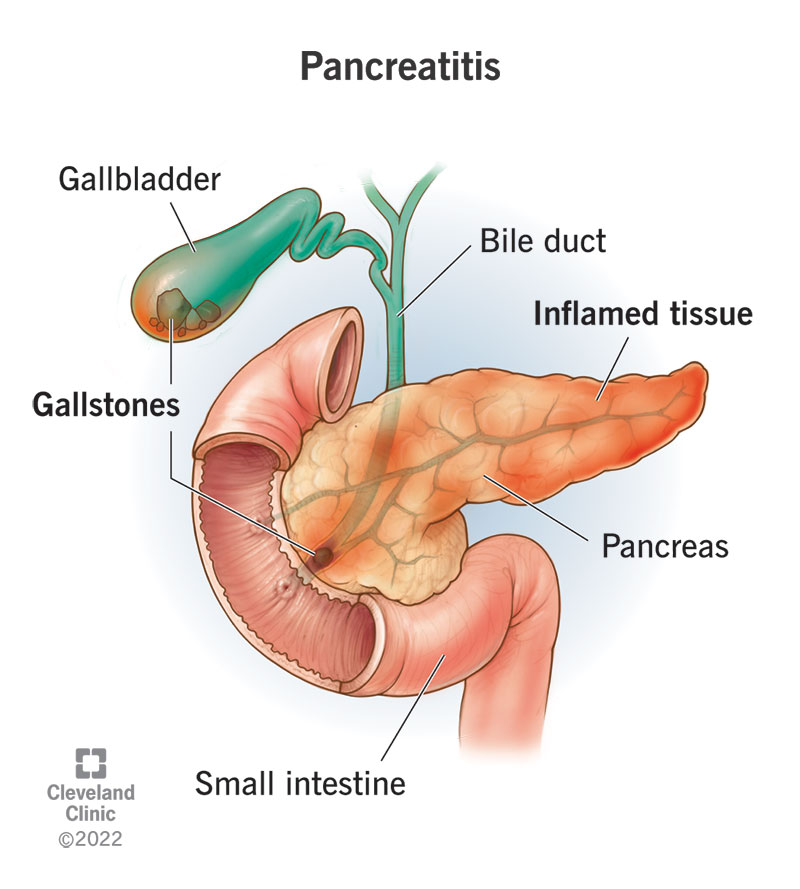
What is pancreatitis?
Pancreatitis is the inflammation of the pancreas, causing swelling and pain. This pain often starts in the stomach and spreads to the back.
The pancreas is an organ located in your abdomen, between your stomach and spine. It is roughly the size and shape of your right hand when laid across your stomach.
The pancreas plays a crucial role in digestion and blood sugar regulation. It produces digestive enzymes, such as amylase, and hormones, like insulin. These digestive enzymes are delivered to the small intestine via the pancreatic duct.
Inflammation is the immune system's response to injury, aimed at healing damaged tissues. Pancreatitis typically results from injuries such as gallstones blocking the pancreatic duct or from alcohol consumption.
What are the different types of pancreatitis?
There are two types of pancreatitis: acute and chronic.
Acute pancreatitis
Acute pancreatitis is a temporary condition that occurs when the pancreas tries to heal from a minor, short-term injury. Most people with acute pancreatitis recover completely within a few days with supportive care, which includes rest, hydration, and pain relief. However, severe cases of acute pancreatitis can lead to serious health complications, some of which can be life-threatening.
Chronic pancreatitis
Chronic pancreatitis is a long-term, progressive condition that worsens over time and does not go away. It occurs when the injury or damage to the pancreas is continuous. Over the years, chronic pancreatitis causes lasting damage to the pancreas. Persistent inflammation leads to scarring of pancreatic tissues (fibrosis), which impairs their ability to produce enzymes and hormones.
Symptoms and Causes
What are the symptoms of pancreatitis?
The primary symptom of pancreatitis is abdominal pain.
Additional symptoms of acute pancreatitis may include:
- Nausea and vomiting.
- Fast heart rate.
- Fast, shallow breathing.
- Fever.
Additional symptoms of chronic pancreatitis may include:
- Indigestion and pain after eating.
- Loss of appetite and unintended weight loss.
- Fatty poops that leave an oily film in the toilet.
- Lightheadedness (from low blood pressure).
These are symptoms of your pancreatic functions beginning to break down.
What are the most common causes of pancreatitis?
The top two causes of pancreatitis are:
- Gallstones.
- Heavy drinking.
Gallstone pancreatitis
Your common bile duct empties bile from your gallbladder into your intestine through the same opening as your pancreatic duct. If a gallstone enters the common bile duct and gets stuck at this junction, it can block the drainage of pancreatic juice from the pancreatic duct. This traps the enzymes inside your pancreas. As pressure builds up behind the obstruction, these enzymes become activated and begin digesting the pancreas itself. This triggers the inflammatory response known as gallstone pancreatitis.
Alcohol use
Heavy alcohol use is another well-known cause of pancreatitis, though the exact mechanism remains unclear. It is believed that the toxic byproducts of alcohol in your blood may trigger an inflammatory response in your pancreas or chemically activate the digestive enzymes within it. Scientists estimate that heavy alcohol use is responsible for about half of all cases of both acute and chronic pancreatitis.
copyright © 2024, All rights reserved | Dr. Anand Nagar