
Gallbladder Cancer
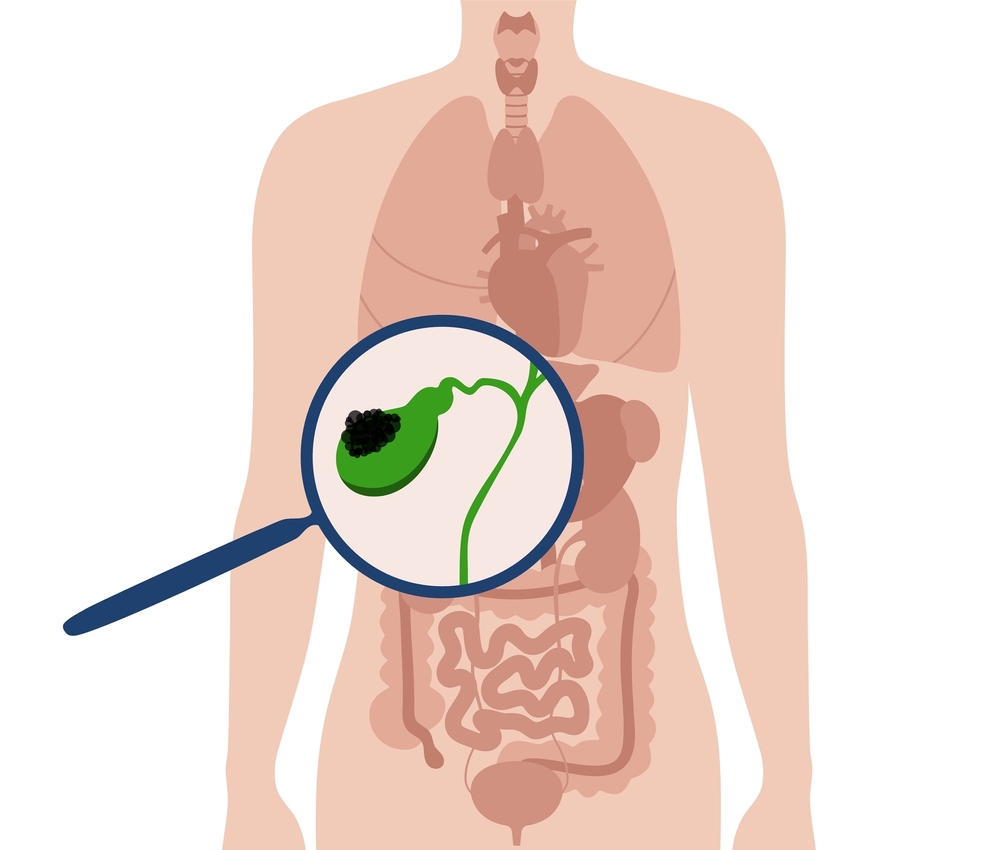
What is gallbladder cancer?
Gallbladder cancer occurs when malignant cells grow in the gallbladder, a pear-shaped organ located in the upper right abdomen beneath the liver. The gallbladder stores and delivers bile, a fluid produced by the liver to aid in digesting fats.
This type of cancer starts in the innermost layer of the gallbladder, known as the mucosal layer, and progresses outward. In its early stages, gallbladder cancer usually does not show any signs or symptoms. Often, healthcare providers discover it incidentally during gallbladder surgery.
If detected early, gallbladder cancer has a high cure rate, as it can be effectively removed with surgery. However, most diagnoses occur only after the cancer has spread beyond the gallbladder, making it challenging to treat.
What are the symptoms of gallbladder cancer?
Gallbladder cancer is hard to detect early because its symptoms resemble those of more common conditions, such as gallstones or bile duct obstructions. When symptoms do appear, they may include:
- Pain in the upper abdomen.
- Yellowing of the skin and the whites of the eyes (jaundice).
- Abdominal lumps.
- Unexplained weight loss.
- Nausea and vomiting.
- Bloating.
- Fever.
What causes gallbladder cancer?
Gallbladder cancer develops when healthy cells transform into malignant cells that grow and multiply uncontrollably. This transformation is due to changes, or mutations, in the genetic material that instructs healthy cells on their behavior. In gallbladder cancer, these genetic mutations are acquired over time rather than inherited from biological parents.
The exact cause of these cellular changes is unknown. However, scientists have identified several factors that may increase the risk of developing gallbladder cancer.
How is gallbladder cancer diagnosed?
Because early-stage gallbladder cancer rarely presents with symptoms, and when symptoms do appear, they resemble those of other conditions, it is often diagnosed late. Healthcare providers typically discover it incidentally during gallstone treatment or gallbladder removal surgery.
If gallbladder cancer is suspected, your provider will conduct a physical examination and inquire about your medical history. Subsequently, they will perform various tests to confirm the diagnosis.
copyright © 2024, All rights reserved | Dr. Anand Nagar