
Laparoscopic Surgery
What is a laparoscopy?
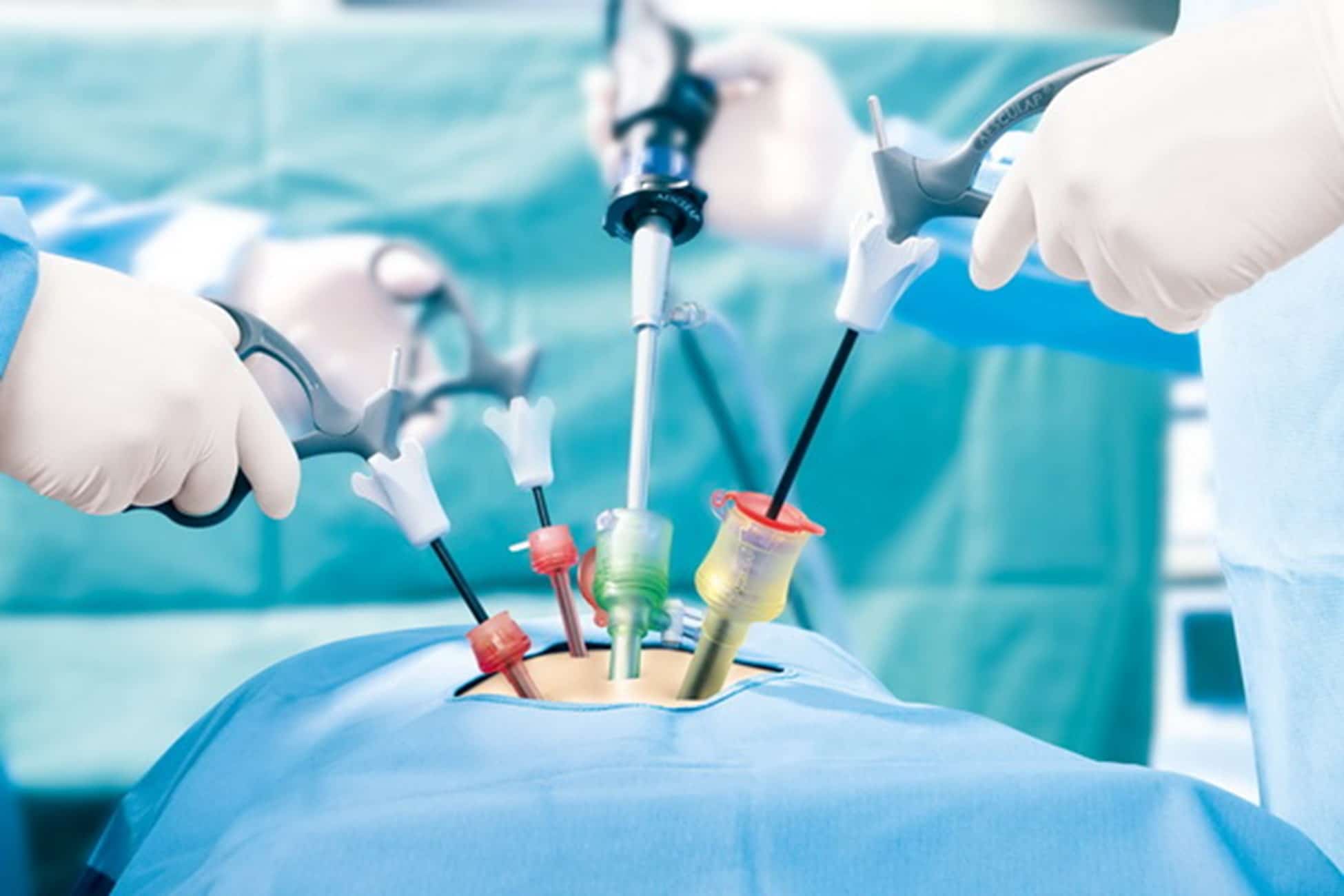
A laparoscopy is a minimally invasive procedure performed by a surgeon to examine the stomach or pelvic area for any issues. This procedure involves using a laparoscope, which is a thin, telescopic rod with a video camera at the end. The surgeon inserts the laparoscope through a small incision in the abdomen, typically measuring half an inch or less. Additional small incisions may be made to insert other surgical instruments, allowing the surgeon to visualize all the organs in the abdomen and identify any problems.
The laparoscope camera displays a real-time image of the interior of your abdomen or pelvis on a monitor. Surgeons use these images to monitor their movements during the procedure.
A laparoscopy may be recommended by your healthcare provider if other diagnostic tests fail to determine the cause of your condition. It is also used to obtain tissue samples (biopsies) for testing.
What is laparoscopy done for?
Laparoscopic surgeries are well-suited for various procedures, including:
- Removing cysts, fibroids, stones, and polyps.
- Small tumor removal.
- Biopsies.
- Tubal ligation and reversal.
- Removing ectopic pregnancies.
- Surgery for endometriosis.
- Urethral and vaginal reconstruction.
- Orchiopexy (testicle correction).
- Rectopexy (rectal prolapse repair).
- Hernia repair.
- Esophageal anti-reflux surgery (fundoplication).
- Gastric bypass surgery.
- Cholecystectomy (gallbladder removal) for gallstones.
- Appendectomy (appendix removal).
Is a laparoscopy a major surgery?
Although laparoscopy is minimally invasive, it doesn't always equate to minor surgery. Many abdominal procedures can be conducted using laparoscopic techniques, yet they are still considered major surgeries. Your surgeon is the most qualified person to determine if your procedure qualifies as a major surgery, provide guidance on preparation, and explain what to anticipate during the recovery process.
What is the difference between laparoscopy and laparoscopic surgery?
Laparoscopic surgery is akin to a laparoscopy, but with a focus on treating medical issues using a laparoscope and surgical tools within the body. These terms are often used interchangeably.
Laparoscopic procedures are employed by healthcare providers for numerous routine surgeries. While more complex conditions may necessitate traditional "open" surgery through a larger incision, laparoscopic surgery is increasingly favored due to its cost-effectiveness and improved surgical outcomes for a range of everyday operations.
Procedure Details
How should I prepare for a laparoscopy or laparoscopic surgery?
Follow these guidelines before the procedure or surgery:
- Refrain from eating, drinking (including water), or smoking after midnight the day before your procedure.
- Choose loose-fitting clothing for comfort as you may experience abdominal tenderness and cramping.
- Wear low-heeled shoes on the day of surgery to avoid potential unsteadiness due to anesthesia.
- Do not wear jewelry except for your wedding ring.
- Remove any nail polish prior to the procedure.
- Arrange for transportation home after surgery as you may not be fit to drive.
What happens during a laparoscopy or laparoscopic surgery?
During the procedure, you will lie on the operating table with a slight tilt, positioning your head lower than your feet. The anesthesiologist will administer general anesthesia to relax your muscles and ensure you don't feel pain during surgery.
Next, your surgeon will make a small incision near your belly button or under your rib cage. A gas tube will be inserted into this incision to fill your abdomen with gas, facilitating better visibility of your organs on the monitor.
After removing the gas tube, the surgeon will insert the laparoscope and possibly additional surgical instruments through nearby incisions to perform procedures or take tissue samples.
Once the procedure is complete, the surgeon will release the gas from your body and close the incisions.
A diagnostic laparoscopy typically lasts between 30 minutes to an hour, while laparoscopic surgery can range from one to three hours depending on the complexity of the condition. If the surgeon cannot safely complete the operation laparoscopically, they may need to switch to a traditional open procedure with a larger incision.
copyright © 2024, All rights reserved | Dr. Anand Nagar