
liver transplant
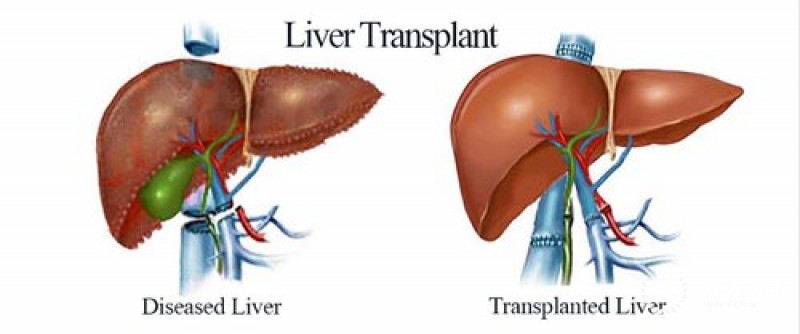
What is a liver transplant?
A liver transplant is a surgical procedure to replace a failing liver with a healthy one that comes from another person’s body. You can receive a whole liver from a donor who has recently been pronounced dead, or you can receive a part of a liver from a living donor. A divided liver can grow back to full size in both your body and the living donor’s body.
Why would someone need to have a liver transplant?
A functioning liver is essential for life. In cases of liver failure or primary liver cancer, a liver transplant can be life-saving. Various factors can lead to liver dysfunction, such as acute causes like toxic poisoning and chronic liver diseases. However, the demand for liver transplants far exceeds the availability of donor livers.
What conditions can a liver transplant treat?
Liver transplant surgery is usually reserved for:
- Liver failure (acute or chronic).
- Primary liver cancer (hepatocellular carcinoma).
Liver transplant is typically considered a final option. There is intense competition for donor livers, and even after receiving one, it may not always completely cure the underlying disease. Certain chronic liver conditions can continue their damaging effects on the new liver. However, given the gradual progression of these diseases, acquiring a healthy liver through transplant can provide valuable time.
Acute liver failure
Acute liver failure occurs when a previously healthy liver sustains severe damage, often from toxic substances or infections. This results in symptoms of liver insufficiency, indicating that the liver has stopped functioning properly. It is considered an emergency, and while some livers recover from acute failure, others may not.
Chronic liver failure
Chronic liver failure, also known as end-stage liver disease, is the result of progressive liver damage leading to significant scarring (cirrhosis) and impaired blood flow in the liver. Decompensated liver disease is characterized by a decline in liver function.
Primary liver cancer
Primary liver cancer, or hepatocellular carcinoma, originates in the liver itself. Surgical removal of the liver can cure cancer if it has not spread beyond the liver. In cases where only a portion of the liver is affected, partial liver resection may be an option. However, if the liver is extensively damaged, a liver transplant may be necessary for treatment.
copyright © 2024, All rights reserved | Dr. Anand Nagar