
Liver Resection
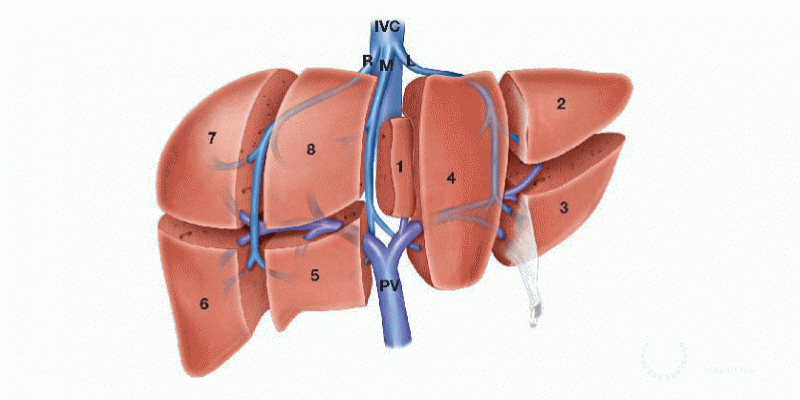
What is Liver Resection?
Liver resection, also known as hepatectomy, is a surgical procedure in which a portion of the liver is removed. It is commonly performed to treat liver tumors, including cancerous and non-cancerous growths. The liver has a unique ability to regenerate, which allows the remaining healthy liver tissue to grow back over time.
Why is Liver Resection performed?
Liver resection is recommended when a part of the liver is affected by disease but the remaining portion is healthy and functioning well. Removing the damaged section can prevent the spread of disease and improve overall survival and quality of life.
What conditions can Liver Resection treat?
- Primary liver cancer (hepatocellular carcinoma).
- Metastatic liver tumors (cancer spread from other organs).
- Benign liver tumors.
- Liver cysts or abscesses.
- Certain traumatic liver injuries.
Types of Liver Resection
- Partial Hepatectomy: Removal of a small portion of the liver.
- Lobectomy: Removal of one lobe of the liver.
- Extended Resection: Removal of a larger portion depending on disease extent.
How is the procedure performed?
Liver resection can be performed through open surgery or minimally invasive (laparoscopic) techniques, depending on the patient’s condition. The surgeon carefully removes the diseased portion while preserving as much healthy liver tissue as possible.
Recovery and Outcome
Recovery depends on the extent of surgery and overall liver health. Hospital stay may range from a few days to a week. With proper follow-up care, the liver can regenerate and resume normal function. Early diagnosis and timely surgery significantly improve outcomes.
copyright © 2024, All rights reserved | Dr. Anand Nagar