
Advanced Laparoscopic Surgery
What is Advanced Laparoscopy Surgery?
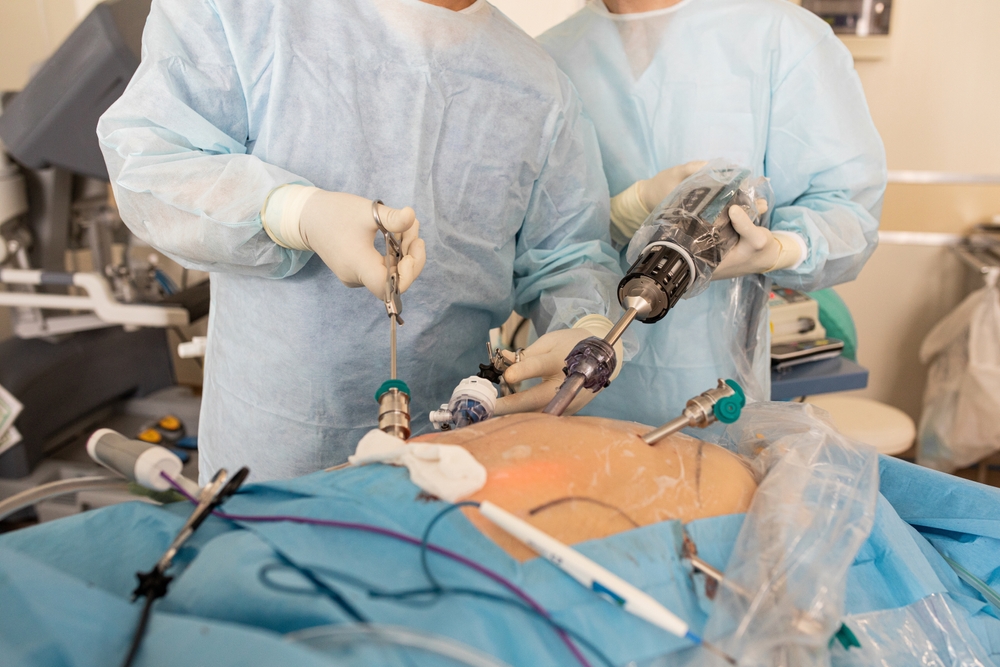
Advanced laparoscopy is a type of surgery where a small incision is made in the skin of the abdomen. This incision can be up to several inches long, but is usually no more than half an inch in length. Advanced laparoscopic surgery is also known as minimally invasive surgery.
How is Advanced Laparoscopic Surgery Performed?
When a surgeon performs laparoscopic surgery, they use an instrument called a laparoscope. A laparoscope is a long, slim instrument inserted into the abdomen through the incision. It is equipped with a tiny camera that allows the surgeon to see the abdominal and pelvic organs on a television screen. If the surgeon needs to address an issue with one of the organs, additional instruments may be used. These instruments can be inserted through the same incision as the laparoscope, a technique known as single-site laparoscopy.
The Advantages of Advanced Laparoscopic Surgery
There are many advantages to advanced laparoscopic surgery. Patients experience less pain during recovery compared to open abdominal surgery. They also tend to recover faster due to the smaller incisions made during the procedure. Additionally, advanced laparoscopic surgery results in smaller scars and decreases the risk of infection compared to open abdominal surgery.
Risks Associated With Advanced Laparoscopic Surgery
Although laparoscopic surgery is safer than open abdominal surgery, it can take longer to perform. Prolonged anesthesia can increase the risk of complications. Complications from this type of surgery may take a few days to a few weeks to appear. Other risks associated with advanced laparoscopic surgery include:
- Internal bleeding
- Blood vessel or organ damage
- Infection
While there are risks with any surgery, advanced laparoscopic surgery is still considered a safer option than open abdominal surgery.
Reasons Advanced Laparoscopic Surgery is Performed
Advanced laparoscopic surgery can be used for tubal sterilization and is also an option for patients undergoing a hysterectomy. In a laparoscopic hysterectomy, the surgeon detaches the uterus inside the body and removes it in pieces through the incisions.
This surgery can also be used to identify the cause of pelvic pain or to examine and remove a pelvic mass. Additionally, it can help determine the cause of infertility. There are many other reasons for performing advanced laparoscopic surgery, including:
Fibroids
Fibroids are abnormal growths that form inside or on the outer wall of the uterus. In most cases, fibroids are benign (non-cancerous), but there is a small chance they can be malignant (cancerous). Advanced laparoscopic surgery can be performed to remove fibroids.
Ovarian Cysts
Ovarian cysts can develop on some women's ovaries. While most cysts will naturally resolve on their own, there are instances where treatment is necessary to remove them. Advanced laparoscopic surgery is a safe method for removing ovarian cysts when treatment is required.
Endometriosis
When a patient has symptoms of endometriosis and medications have not been effective, advanced laparoscopic surgery may be performed. A surgeon will use a laparoscope to examine the inside of the patient's pelvis. If endometriosis tissue is found, it will be removed during the surgery.
Pelvic Floor Conditions
Advanced laparoscopic surgery may be recommended as a treatment for urinary incontinence and other pelvic floor conditions, such as pelvic organ prolapse.
Ectopic Pregnancy
Advanced laparoscopic surgery may be performed to remove an ectopic pregnancy.
Cancer
This type of surgery may also be performed to remove some types of cancer such as ovarian cancer.
What Happens After the Surgery?
After advanced laparoscopic surgery is complete, the small incisions are closed, and the patient is moved to a recovery room. Patients usually feel sedated for one to two hours and may experience nausea due to the anesthesia. Many patients can leave the same day, but they must remain under medical supervision until they have emptied their bladders and can stand on their own. Some procedures, such as a laparoscopic hysterectomy, may require an overnight hospital stay.
Post-surgery, patients can expect to feel tired and have moderate discomfort for a few days. There will be soreness at the incision sites on the abdomen. Patients may also have a sore throat from the tube used to assist breathing during the procedure. Additionally, discomfort in the shoulders and back can occur due to residual gas in the abdomen.
Recovery times vary, but most patients can resume minimal activities one to two days after the surgery. However, it will take longer to return to strenuous activities. All patients should consult their doctor before resuming any activities.
copyright © 2024, All rights reserved | Dr. Anand Nagar