
Liver Tumours
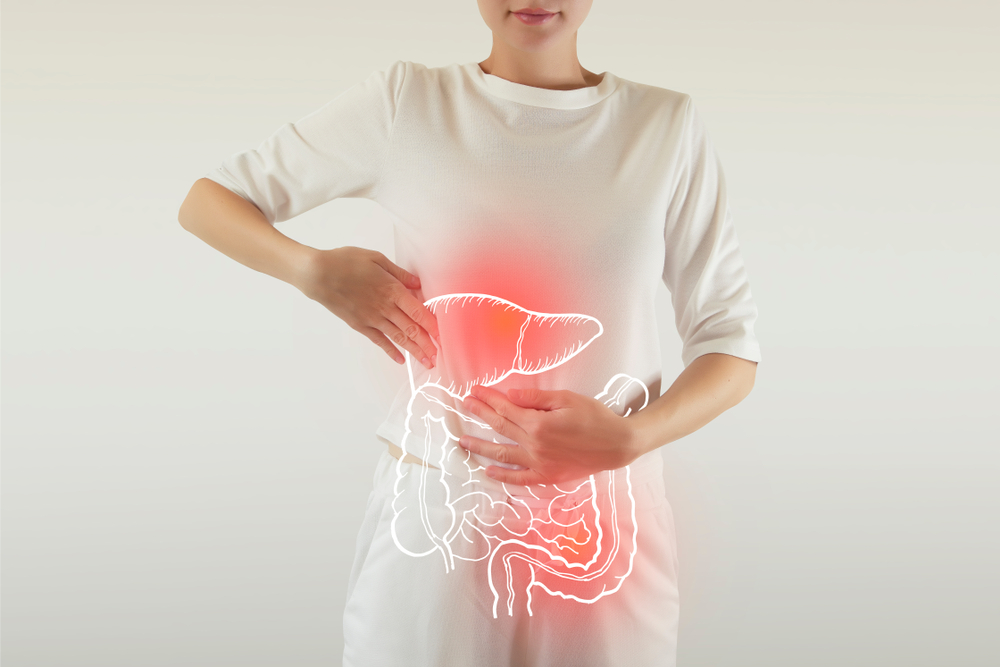
What is liver cancer?
Liver cancer is a life-threatening disease and one of the rapidly growing types of cancer in the United States. It is categorized into two types: primary and secondary. Primary liver cancer originates in the liver, while secondary liver cancer spreads to the liver from another part of the body. This article provides an overview of primary liver cancer.
Healthcare providers can significantly improve the treatment of liver cancer when it is diagnosed at an early stage, similar to many other types of cancer. Unlike some cancers, there is a good understanding of the factors that increase the risk of developing liver cancer. Therefore, healthcare providers are focused on identifying individuals at higher risk to detect and treat primary liver cancer as early as possible.
Is liver cancer a common disease?
Liver cancer is not common, but its incidence is steadily rising. Healthcare providers estimate that approximately 1% of both men and women in the United States will receive a liver cancer diagnosis during their lifetime.
There are three primary types of liver cancer:
- Hepatocellular carcinoma (HCC): This is the most prevalent form, accounting for nearly all liver cancer cases.
- Intrahepatic cholangiocarcinoma (IHC): This subtype occurs in the bile ducts within the liver and constitutes about 10% to 20% of primary liver cancer cases.
- Angiosarcoma: This rare type comprises only about 1% of primary liver cancer cases. It originates in the blood cell lining within the liver and may also affect other organs.
How does liver cancer affect my body?
The liver, the body's largest organ, plays a crucial role in digestion and overall health. Some key functions of the liver include:
- Filtering and collecting blood from the intestines.
- Processing and storing nutrients absorbed by the intestines.
- Converting certain nutrients into energy or essential substances for tissue building.
- Producing bile, a fluid necessary for fat digestion.
- Processing and storing nutrients such as sugars to generate energy.
- Producing clotting factors that aid in blood clotting.
What is the main cause of liver cancer?
Liver cancer develops when alterations affect the DNA of healthy liver cells. DNA contains genes that regulate cell functions, including growth, multiplication, and death. Oncogenes promote cell growth and division, while tumor suppressor genes monitor cell activity to prevent uncontrolled multiplication and ensure timely cell death.
In hepatocellular carcinoma (HCC), mutations in DNA activate oncogenes and/or deactivate tumor suppressor genes. For instance, research indicates that cirrhosis caused by hepatitis B virus (HBV) and hepatitis C virus (HCV) contributes to more than half of all HCC cases. These viruses alter liver cell DNA upon infection, transforming healthy cells into cancerous ones.
What are liver cancer symptoms?
In the early stages of liver cancer, there may be no noticeable symptoms. Both hepatocellular carcinoma (HCC) and intrahepatic cholangiocarcinoma (IHC) share similar symptoms, including:
- A lump below the rib cage or pain on the right side of the abdomen, or near the right shoulder.
- Jaundice, characterized by yellowing of the skin and eyes.
- Unexplained weight loss, nausea, or reduced appetite.
- Fatigue.
- Dark-colored urine.
What are early warning signs of liver cancer?
Early-stage liver cancer can occur without noticeable symptoms. If you are aware of being at risk for liver cancer, it's important to discuss with your healthcare provider about monitoring tests for your liver. This proactive approach can potentially detect liver cancer at its earliest stage.
copyright © 2024, All rights reserved | Dr. Anand Nagar