
Gall Bladder Stone
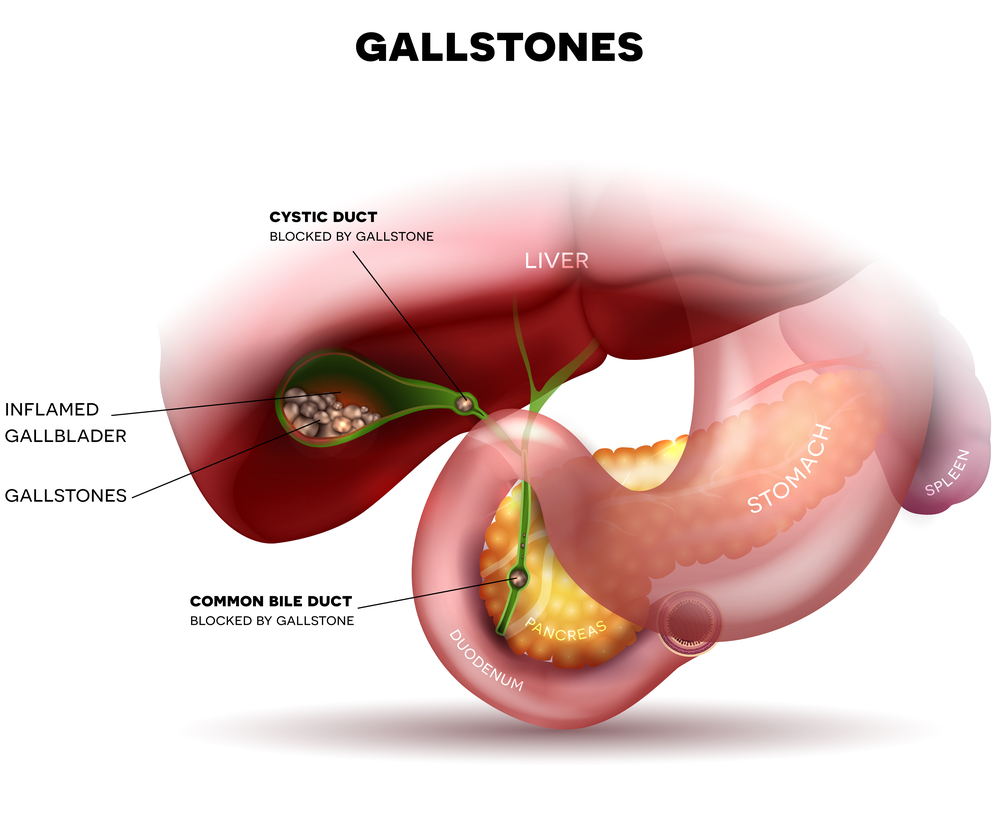
What are gallstones?
Gallstones are hardened, concentrated pieces of bile that form in your gallbladder or bile ducts. The term "gall" refers to bile, so gallstones are essentially bile stones. Your gallbladder, or bile bladder, stores bile for later use. Bile is produced by your liver and transported to different organs in your biliary tract through the bile ducts.
Healthcare providers often use the term "cholelithiasis" to describe the condition of having gallstones. The word "chole" means bile, and "lithiasis" refers to the formation of stones. Gallstones form when bile sediment accumulates and crystallizes. This sediment usually consists of an excess of one of the main components of bile.
How serious are gallstones?
Gallstones (cholelithiasis) often don't cause any problems. Many people have them without ever knowing. However, gallstones can become dangerous if they move through your biliary tract and get stuck. They can block the biliary tract, leading to pain and serious complications.
The issue with gallstones is that they grow, albeit slowly, as bile continuously flows over them, adding layers of sediment. What starts as a tiny grain of sand can eventually become large enough to obstruct the flow of bile, especially if it gets lodged in a narrow area like a bile duct or the neck of your gallbladder.
Symptoms and Causes
What are gallstones symptoms?
Gallstones usually don't cause symptoms unless they create a blockage. This blockage typically results in upper abdominal pain and nausea, which can be intermittent or persistent. If the blockage is severe or prolonged, additional symptoms may develop, such as:
- Sweating
- Fever
- Rapid heart rate
- Abdominal swelling and tenderness
- Yellowing of the skin and eyes (jaundice)
- Dark urine and light-colored stools
Where is gallstone pain located?
Your biliary system is located in the upper right quadrant of your abdomen, beneath your right ribcage. Most people experience gallstone pain in this area, but it can sometimes radiate to other parts of the body. Some may feel it in their right arm or shoulder, or in their back between the shoulder blades.
In some cases, gallstone pain can occur in the middle of the abdomen or chest, which can be confusing because it may resemble other conditions. Some individuals might mistake gallstone pain for heartburn or indigestion, while others may feel as if they are having a heart attack, which is a different medical emergency.
Are gallstones symptoms different in a female?
Gallstone symptoms are not different in women or people assigned female at birth (AFAB). However, people AFAB may be more likely to experience referred pain, which is pain felt in a different location from where it originates. Therefore, they may be more likely to feel gallstone pain in their arm, shoulder, chest, or back.
People AFAB are also more prone to chronic pain and might be more inclined to dismiss pain that comes and goes, such as biliary colic. It's important to consult a healthcare provider about any severe or recurring pain, even if it subsides. After experiencing a gallstone attack, the likelihood of having another one increases.
copyright © 2024, All rights reserved | Dr. Anand Nagar